September 8, 2026
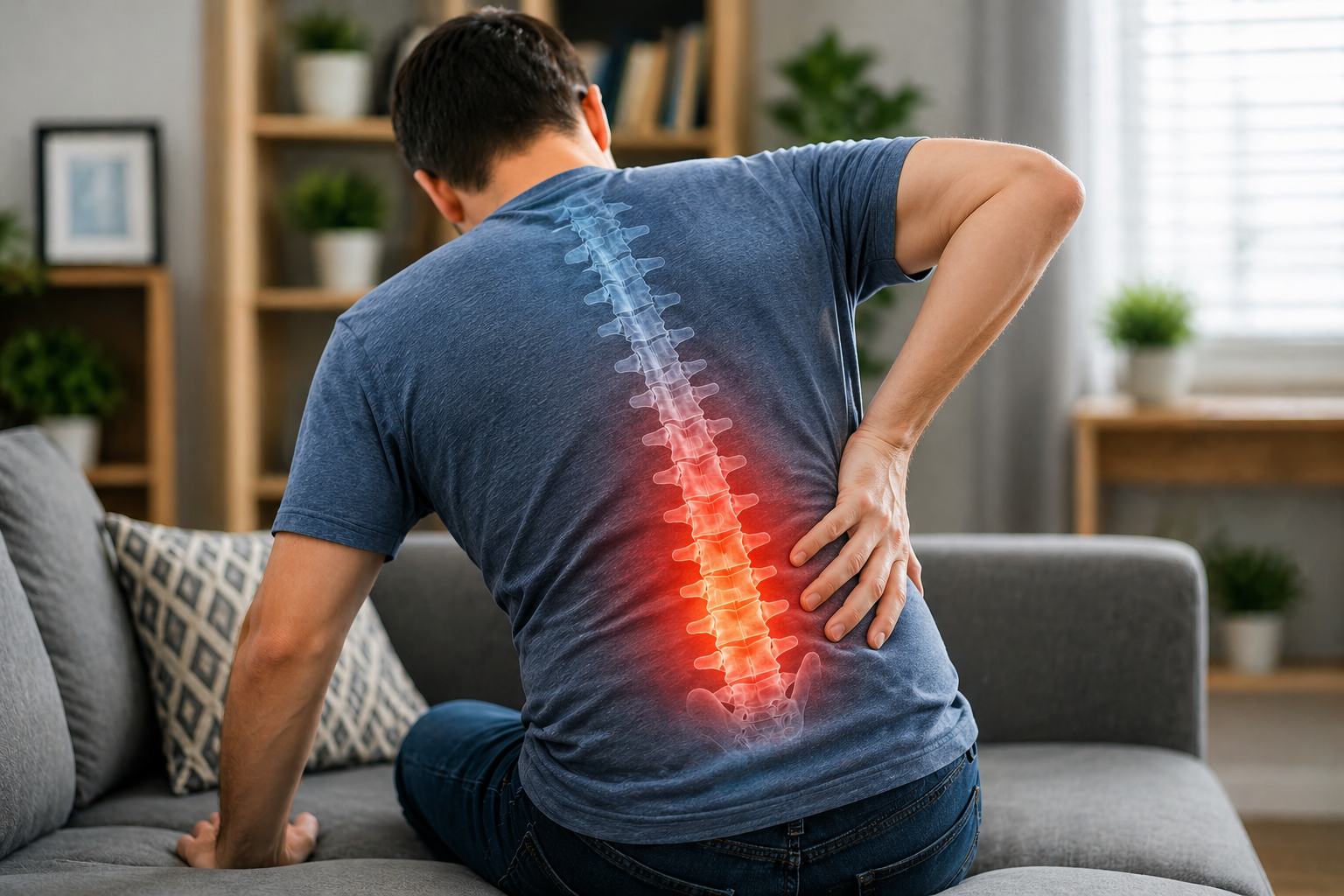
Chronic lower back pain is one of the most common physical ailments affecting adults across the globe today. Millions of individuals wake up each day facing persistent discomfort that limits their mobility, hinders their job performance, and diminishes their overall quality of life. Understanding the sheer prevalence of this condition helps put the widespread search for relief into perspective. According to the National Institutes of Health (NIH), roughly 80% of individuals will encounter lower back pain during their lifetime. While conservative care such as physical therapy, lifestyle modifications, and medication provides sufficient relief for many, others find themselves dealing with unrelenting symptoms caused by structural spine issues. For these individuals, exploring advanced medical interventions becomes a necessary next step in restoring daily function.
Recognizing the Shift Toward Minimally Invasive Techniques
Traditionally, open spine surgery was considered the primary surgical path for severe structural spine conditions. Standard open procedures require large incisions and significant muscle retraction, which can lead to extended hospital stays, lengthy recovery periods, and noticeable post-operative discomfort. Over recent decades, advancements in surgical technology have revolutionized spinal care through minimally invasive spine procedures. These modern techniques utilize tiny incisions, specialized tubular retractors, and micro-instruments to access the affected areas of the spine without causing extensive damage to surrounding soft tissues. By sparing healthy muscle tissue, surgeons can minimize blood loss and lower the risk of post-surgical complications. For patients seeking a modern back pain treatment, these refined methods offer a less disruptive alternative to traditional open surgery.
Exploring Common Conditions Treated With Modern Spine Procedures
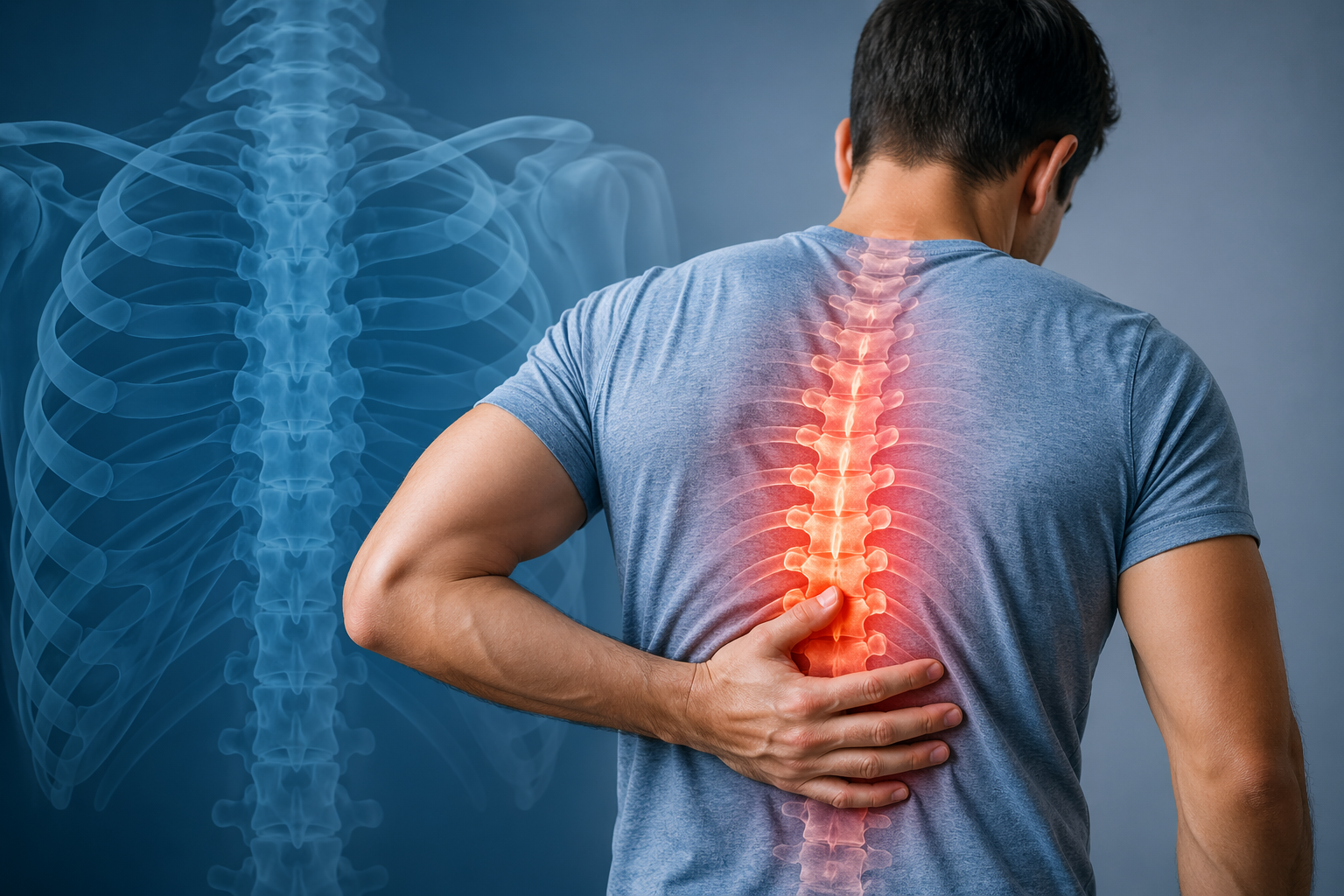
Minimally invasive spine procedures are designed to address a variety of underlying structural problems that cause persistent discomfort. Herniated or bulging discs, which occur when the soft inner material of a spinal disc pushes through its outer ring and presses on nearby nerves, are frequently treated using these advanced methods. Spinal stenosis, a condition characterized by the narrowing of the spinal canal, is another common candidate for modern care. Additionally, degenerative disc disease, facet joint arthritis, and minor spinal instabilities can all trigger severe nerve irritation and localized aching. When structural defects compress spinal nerves, patients often experience radiating leg pain, numbness, and localized discomfort. Identifying the precise anatomical cause of symptoms allows spine specialists to select the most targeted back pain treatment for long-term relief.
Understanding Key Advantages of Minimally Invasive Options
The transition toward smaller incisions and muscle-sparing techniques yields numerous tangible benefits for patients. Because minimally invasive procedures avoid cutting large amounts of muscle, post-operative pain is typically far less intense than what patients experience after conventional open surgery. Reduced tissue trauma translates directly to faster healing times, allowing many patients to return home the same day or after a short overnight stay. Furthermore, smaller surgical sites result in minimal scarring, reduced reliance on post-surgical pain medications, and a lower overall risk of infection. By choosing a minimally invasive back pain treatment, individuals can often return to their normal daily routines, light exercise, and professional work much faster than traditional surgical timelines would ever allow.
Navigating the Typical Surgical Journey and Recovery Process
Understanding what to expect during the surgical process can greatly alleviate patient anxiety and set realistic expectations for recovery. On the day of the procedure, surgeons use advanced real-time imaging, such as fluoroscopy, to precisely guide their instruments through tiny incisions directly to the damaged spine location. Once the targeted bone spur, herniated disc material, or tissue is removed, the instruments are withdrawn, and the tiny incision is closed with minimal stitching. Post-operative care typically focuses on gentle movement, managed rest, and gradual rehabilitation. Incorporating targeted physical therapy after the procedure helps rebuild core strength and supports proper posture, ensuring that the back pain treatment achieves its full potential and protects the spine from future wear and tear.
Addressing Potential Risks and Safety Considerations
While minimally invasive techniques offer impressive advantages over traditional open surgery, every surgical procedure carries inherent risks that patients must carefully evaluate. Potential complications, though statistically low, include localized infection, minor nerve irritation, persistent stiffness, and incomplete symptom relief if underlying issues are complex. Working closely with a dedicated medical team ensures that proper pre-operative screenings and post-operative monitoring are conducted to minimize these risks. Open communication regarding your medical history and lifestyle goals helps doctors tailor every step of your care. By carefully weighing the potential benefits against the risks of any back pain treatment, patients can approach their care with confidence, ensuring safety remains the top priority throughout their journey toward lasting relief.
Integrating Long-Term Lifestyle and Ergonomic Habits
Surgical interventions and targeted procedures provide essential structural relief, but maintaining long-term spine health requires ongoing commitment beyond the operating room. Adopting ergonomic adjustments in daily routines plays a vital role in preventing future strain on the lower back. Simple modifications, such as setting up a supportive workstation, utilizing dynamic sitting positions, and lifting heavy objects with the legs rather than the back, significantly reduce daily axial loading on the spinal discs. Furthermore, engaging in low-impact cardiovascular exercises like walking or swimming helps maintain circulation to spinal structures and keeps supporting muscles flexible. Partnering daily habit changes with professional guidance creates a comprehensive foundation that maximizes the physical benefits gained from your chosen back pain treatment.
Evaluating Candidates for Minimally Invasive Interventions
While modern surgical options offer clear advantages, they are not automatically the first choice for every individual dealing with spinal issues. Medical guidelines emphasize that conservative measures should almost always be exhausted before surgical intervention is considered. Patients typically explore physical therapy, chiropractic adjustments, anti-inflammatory medications, and epidural steroid injections for several weeks or months before evaluating surgical alternatives. However, when conservative care fails to yield lasting improvement, or when a patient experiences severe neurological deficits such as progressive leg weakness or loss of bowel and bladder control, a surgical consult becomes essential. A thorough evaluation by a qualified spine specialist determines whether a minimally invasive back pain treatment is appropriate for a patient's specific spinal alignment and medical history.
Comparing Advanced Procedures and Traditional Open Surgery
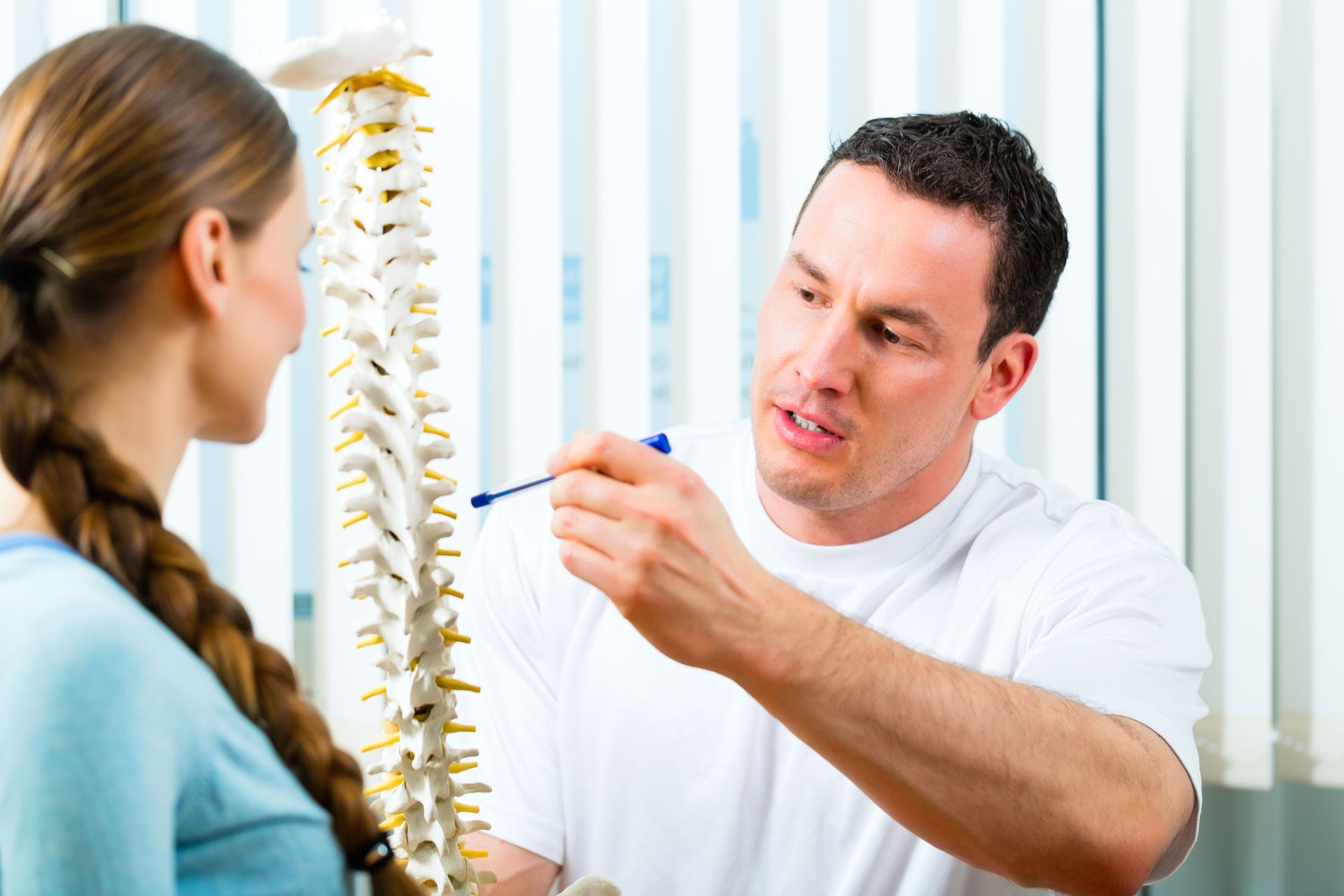
Choosing between minimally invasive methods and conventional open surgery depends heavily on the complexity and extent of the spinal condition. Open surgery remains a vital and highly effective tool for complex spinal deformities, large-scale multi-level fusions, or severe trauma cases where broad visual access to the spine is essential. Conversely, focused structural issues like single-level disc herniations or localized nerve compressions are ideally suited for smaller, less invasive techniques. During initial consultations, spine specialists carefully evaluate diagnostic imaging, such as magnetic resonance imaging and computed tomography scans, to match the surgical approach to the patient's unique anatomy. Discussing all available options ensures that patients receive a tailored back pain treatment that balances safety, precision, and long-term clinical success.
Taking control of chronic lower back pain requires an active, informed approach to personal healthcare. Understanding the full spectrum of care from initial conservative therapies to state-of-the-art minimally invasive procedures empowers patients to make confident decisions alongside their medical providers. Minimally invasive spine techniques have successfully transformed the landscape of spinal care, providing effective nerve decompression and stabilization with significantly less disruption to daily life. By consulting with experienced spine surgeons, exploring targeted therapy plans, and maintaining realistic recovery goals, individuals can find an effective back pain treatment that reduces suffering, restores physical mobility, and promotes lasting overall wellness. Contact American Back Centers today to schedule your consultation and discover a personalized care plan to reclaim your active, pain-free life.