Sharp Back Pain Can Feel Urgent and Confusing
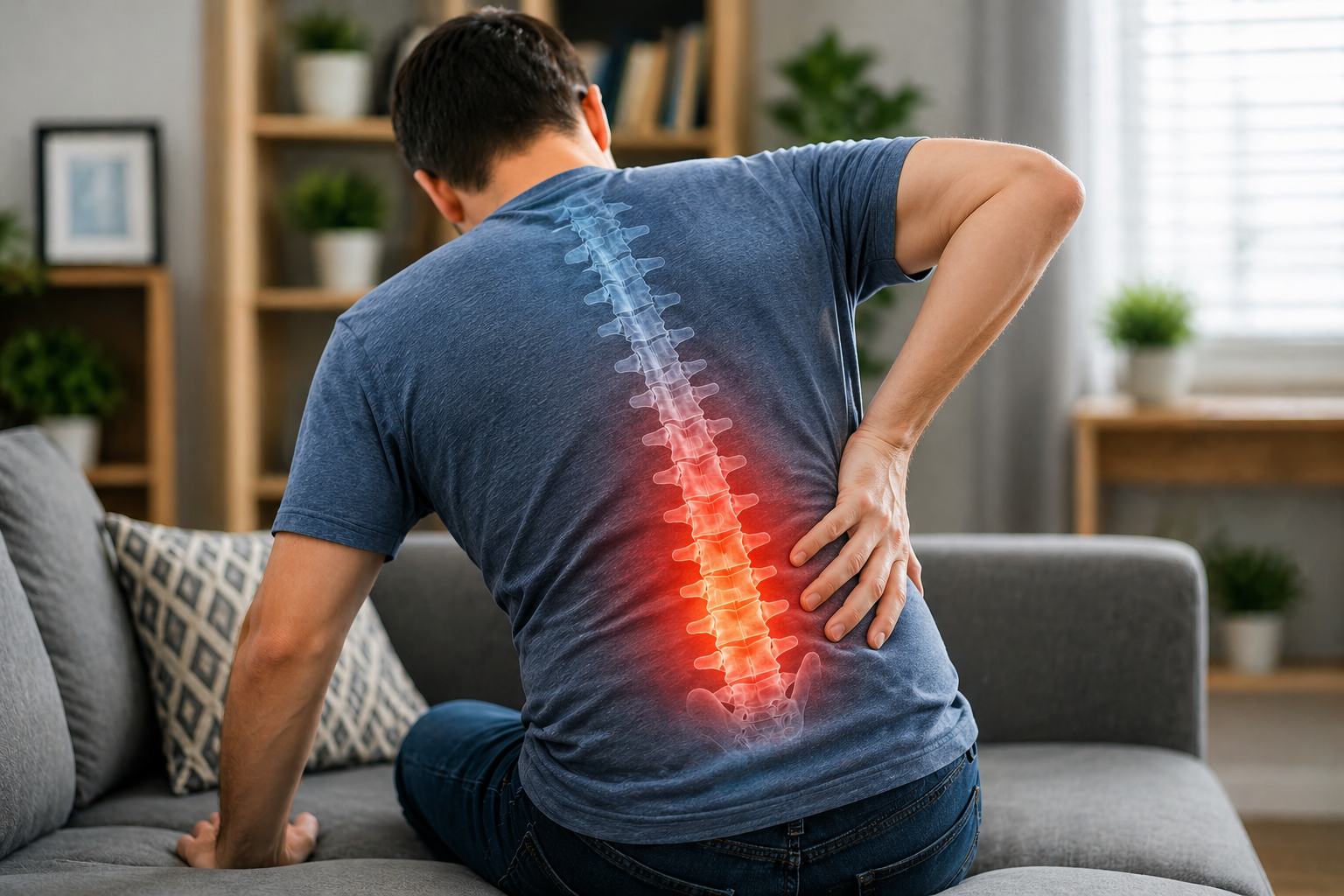
Sharp back pain can stop you in your tracks.
One moment you are bending, lifting, walking, sitting, standing, or getting out of bed. The next moment, your back tightens, grabs, or sends a sharp signal that makes you afraid to move.
When that happens, it is natural to look for a quick answer.
Many people immediately search online for stretches, exercises, or home remedies. Others do the opposite and stay completely still for days, hoping the pain will go away on its own.
Both reactions are understandable. When pain interrupts your life, you want relief. You want direction. You want to feel like you are doing something useful.
The problem is that sharp back pain can have different causes. The same symptom can come from different sources, which means the right next step is not always the same for every person.
At American Back Centers in Pittsburgh, we believe the first step is not guessing. The first step is understanding what may be driving the pain.
Should You Push Through Sharp Back Pain?
No, sharp back pain is not something you should simply push through.
Mild soreness after activity is different from sharp pain that makes your body tense, guard, or stop. Sharp pain is often a signal that your body needs attention, not more force.
That does not mean every episode of back pain is serious. It also does not mean surgery is the only answer. It means the source of the pain should be evaluated, especially if symptoms travel into the leg or include numbness, tingling, or weakness.
A proper evaluation can help you understand what may be contributing to the symptoms and what type of non-surgical support may make sense for your situation.
Why Random Internet Exercises Can Make Back Pain More Frustrating
Online exercise videos can be helpful for general education, but they cannot evaluate your spine.
They do not know your history. They do not know where your pain starts. They do not know if your symptoms travel into your hip, buttock, thigh, calf, or foot.
They do not know if you have numbness, tingling, weakness, previous injuries, or pain that changes with sitting, standing, bending, or walking.
That matters.
Back pain is not one single problem. It is a symptom. Two people can both say, “My lower back hurts,” yet need very different support.
For one person, a stretch may feel helpful. For another person, that same stretch may increase irritation. For one person, strengthening may be appropriate. For another person, the body may need a different starting point before strengthening feels safe or productive.
This is why guessing can become frustrating.
The goal is not to avoid movement forever. The goal is to choose movement that matches what your body actually needs.
Staying Completely Still Is Not Always the Answer Either
When sharp pain starts, rest can feel like the safest option.
In some situations, reducing painful activities for a short period may help the body calm down. However, staying completely still for days is not always the best long term response.
The body is designed to move. Gentle, appropriate movement can support comfort, mobility, and confidence. The challenge is knowing what type of movement is appropriate for your specific symptoms.
Some people may need guided movement. Some may need targeted rehabilitation. Some may need non-surgical spine care that supports healthier function before exercise feels comfortable again.
The answer is not always “do more exercises.”
The answer is not always “do nothing.”
The better question is, “What is driving the pain?”
Why the Source of Pain Matters
The source of back pain matters because different causes may respond better to different plans.
Sharp back pain may be connected to several contributing factors, including:
- Muscle tension or guarding
- Joint irritation
- Disc related stress
- Nerve sensitivity
- Movement compensation
- Spinal narrowing
- Poor lifting or posture patterns
- Previous injuries
- Repetitive stress from work or daily habits
This does not mean you should self-diagnose. It means symptoms should be understood in context.
Where the pain is located matters. What makes it worse matters. What makes it better matters.
Whether it travels into the leg matters. Whether numbness or tingling is present matters.
A better plan starts with a better understanding of the problem.
When Back Pain Travels Into the Leg
Back pain that stays in the back is one situation.
Back pain that travels into the leg is another.
Leg symptoms may feel like:
- Sharp pain
- Burning
- Tingling
- Pins and needles
- Numbness
- Tightness
- Weakness
- Heaviness
- Pain into the hip, buttock, thigh, calf, or foot
These symptoms can interfere with walking, standing, sitting, driving, sleeping, working, and exercising.
When pain travels into the leg, it may suggest that nerves are involved or irritated. That does not automatically mean surgery is needed. It does mean the situation should be taken seriously and evaluated carefully.
If you are dealing with leg symptoms, numbness, or tingling, American Back Centers can help you explore your next step with more clarity.
Why Numbness and Tingling Should Not Be Ignored
Numbness and tingling can feel strange, unsettling, or even frightening.
Some people describe it as pins and needles. Others feel a dull numb sensation, burning, or a feeling that the leg or foot is not responding normally.
These symptoms are worth paying attention to because they may point to nerve involvement. Waiting too long can increase worry and make it harder to know what is helping and what is making symptoms worse.
An evaluation can help answer important questions, such as:
- Where are the symptoms coming from?
- What movements or positions affect them?
- Are the symptoms changing over time?
- Are there signs that need more urgent attention?
- What non-surgical options may be appropriate?
Getting answers does not mean committing to a major procedure. It means choosing clarity over guessing.
The Cost of Guessing With Back Pain
Many people try to manage back pain on their own for weeks, months, or even years.
They try stretches. They try rest. They try heat. They try ice. They try over the counter medication. They try exercises from strangers online. They try to ignore it.
Sometimes symptoms calm down. Other times, the pain keeps returning.
The emotional cost can be heavy.
Back pain can make people feel older than they are. It can make active people feel limited. It can make parents feel guilty because they cannot keep up with their children. It can make workers anxious about missing time. It can make people avoid vacations, hobbies, workouts, social events, and simple daily routines.
That is why the goal is not just pain support. The goal is helping people move from fear and frustration toward confidence and clarity.
A Non-Surgical Approach in Pittsburgh
Many people with back pain are looking for options that do not start with surgery or long term reliance on medication.
They want to move better. They want to sleep better. They want to work, walk, travel, exercise, and spend time with family without constantly planning around pain.
American Back Centers focuses on non-surgical spine care, functional wellness, and natural approaches that support healthier function and quality of life'
The goal is not to force every patient into the same plan.
The goal is to evaluate what may be contributing to symptoms and help each person understand what options may make sense for their situation.
Depending on the evaluation, care recommendations may include:
- Targeted non-surgical spine care
- Guided rehabilitation
- Movement and mobility support
- Spinal decompression support when appropriate
- Functional wellness guidance
- Lifestyle recommendations that support healthier daily movement
Every person is different. Your care plan should reflect that.
Why Evaluation Comes Before Exercise
Exercise can be valuable, but timing and selection matter.
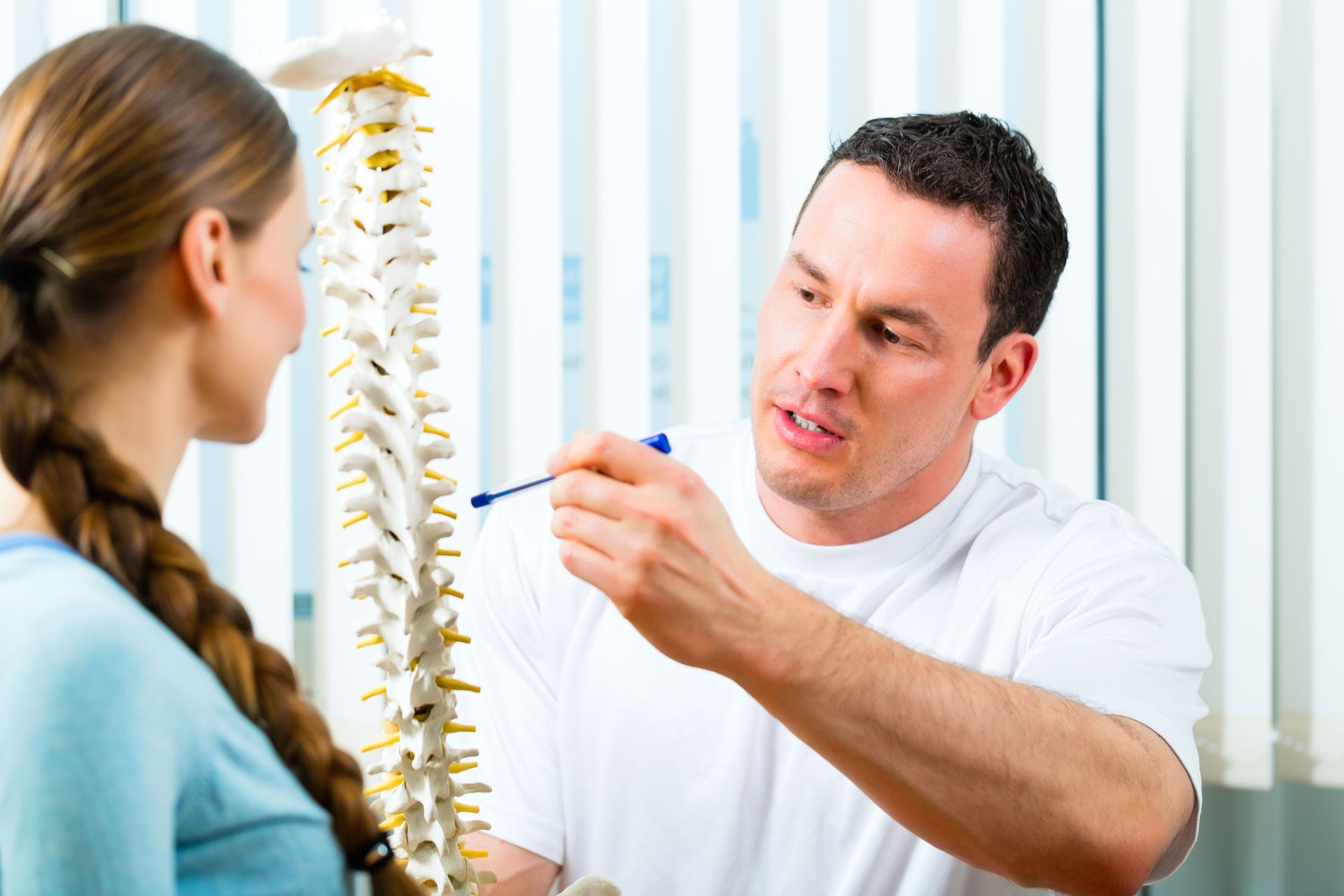
A proper evaluation helps determine which movements may support your body and which movements may not be the best starting point.
During an evaluation, important details may include:
- Where the pain is located
- When the pain started
- Whether symptoms are improving or worsening
- Whether pain travels into the leg
- Whether numbness or tingling is present
- Whether weakness is present
- What positions make symptoms better or worse
- What daily activities are limited
- What has already been tried
- Whether symptoms are affecting sleep, work, walking, or exercise
This information matters because the wrong exercise at the wrong time can add frustration.
The right plan starts by understanding the person, not just the pain.
What To Avoid When Sharp Back Pain Starts
When sharp back pain begins, avoid guessing your way through it.
Be careful with:
- Pushing through sharp pain
- Doing random exercises that are not matched to your symptoms
- Staying completely still for days without guidance
- Ignoring pain that travels into the leg
- Dismissing numbness or tingling
- Waiting until pain controls your daily life
- Assuming surgery is your only option
- Assuming medication is your only option
The goal is not fear. The goal is awareness.
Sharp pain is a signal to pause, pay attention, and make a more informed decision.
What To Do Instead
Start by listening to your body. Pay attention to what your symptoms are telling you. Notice patterns. Notice what makes the pain worse.
Notice what brings relief. Notice whether symptoms stay in your back or move into your leg.
Then, get evaluated by a qualified professional who can help you understand what may be contributing to the pain.
A smarter next step may include:
- Identifying movements that aggravate symptoms
- Learning safer ways to move through daily activities
- Exploring non-surgical options
- Supporting healthier spinal function
- Building a plan that matches your symptoms and goals
This is especially important if your back pain is connected with leg symptoms, numbness, tingling, or weakness.
Why Patients Choose American Back Centers
Patients often come to American Back Centers because they are tired of guessing.
They may be tired of hearing that pain is just part of aging. They may be tired of being told to simply rest or take medication. They may be worried that surgery is the only path left.
Our mission is simple:
Empower patients to heal naturally without surgery, drugs, or frustration.
That starts with listening. It continues with evaluation. It leads to a plan that supports the person, not just the symptom.
For people in Pittsburgh and the surrounding area, American Back Centers offers a place to ask better questions and explore non-surgical options with confidence.
What Should You Do for Sharp Back Pain?
If you have sharp back pain, do not push through random exercises or stay completely still for days without understanding what is causing the pain. The best next step is to get evaluated, especially if you have pain traveling into the leg, numbness, tingling, or weakness. American Back Centers in Pittsburgh helps patients explore non-surgical options that support spinal function, movement, and overall wellness.
Frequently Asked Questions
Should I exercise when I have sharp back pain?
It depends on what is causing the pain. Some movement may be helpful, but random exercises from the internet may not match your symptoms. If the pain is sharp, worsening, or traveling into your leg, it is best to get evaluated before pushing through exercise.
Is it bad to stay in bed with back pain?
Short periods of rest may help during intense discomfort, but staying completely still for days is not always the best approach. Gentle, appropriate movement may support mobility and comfort. The right amount of movement depends on your symptoms and the source of the pain.
Why does my back pain go down my leg?
Back pain that travels into the leg may suggest nerve involvement or irritation. This can feel like sharp pain, burning, tingling, numbness, or weakness. An evaluation can help determine what may be contributing to the symptoms.
When should I get evaluated for back pain?
You should consider an evaluation if your pain is sharp, keeps returning, limits daily activities, travels into your leg, or includes numbness, tingling, or weakness. You should seek immediate medical attention for severe or worsening symptoms, sudden weakness, loss of bladder or bowel control, numbness in the groin area, or pain after a major injury.
Can non-surgical spine care support back pain recovery?
Non-surgical spine care may support healthier spinal function, movement, and quality of life for many people. The right approach depends on the source of the symptoms, the evaluation findings, and the patient’s goals.
Does American Back Centers help with sharp back pain in Pittsburgh?
American Back Centers helps patients in Pittsburgh explore non-surgical options for back pain, leg symptoms, numbness, tingling, and related spine concerns. The first step is understanding what may be driving the symptoms.
Take the Next Step
Sharp back pain does not have to leave you stuck between random exercises and complete rest.
There is a better starting point.
Find out what may be driving your symptoms and explore non-surgical options that support healthier movement and function.
Book your free consultation in under 5 minutes.
Medical Disclaimer
This article is for educational purposes only and is not intended to diagnose, treat, cure, or prevent any disease or medical condition. Individual results may vary. If you are experiencing severe pain, sudden weakness, loss of bladder or bowel control, numbness in the groin area, pain after a major injury, or symptoms that are worsening, seek immediate medical attention.