February 20, 2026
If you have a disc herniation, one of the first thoughts is usually the same: How long is this going to take?
When pain affects sleep, work, driving, and simple daily movement, time starts to feel like the enemy.
Many people are told to wait, rest, and hope it settles down. The problem is that waiting does not always change what is irritating the spine in the first place.
Research suggests many disc herniations may improve over weeks to months with appropriate conservative care. In some cases, disc material can shift or reduce over time as inflammation decreases and pressure reduces. The key is that improvement often depends on creating the right conditions, especially if the spine is staying compressed, unstable, or repeatedly irritated.
This guide explains what impacts recovery time, why some people feel better sooner than others, and what you can do to stop feeling stuck. If you are searching for non surgical options in the Pittsburgh area, this article will also help you understand what a conservative plan may look like.
Many disc herniations may improve over weeks to months with the right conservative support. Progress often depends on reducing irritation and pressure on the spine, improving stability and movement patterns, and avoiding repeated triggers like prolonged sitting and frequent bending.
What is a disc herniation?
A spinal disc is a cushion between the bones of your spine. Discs help absorb shock, support movement, and distribute load.
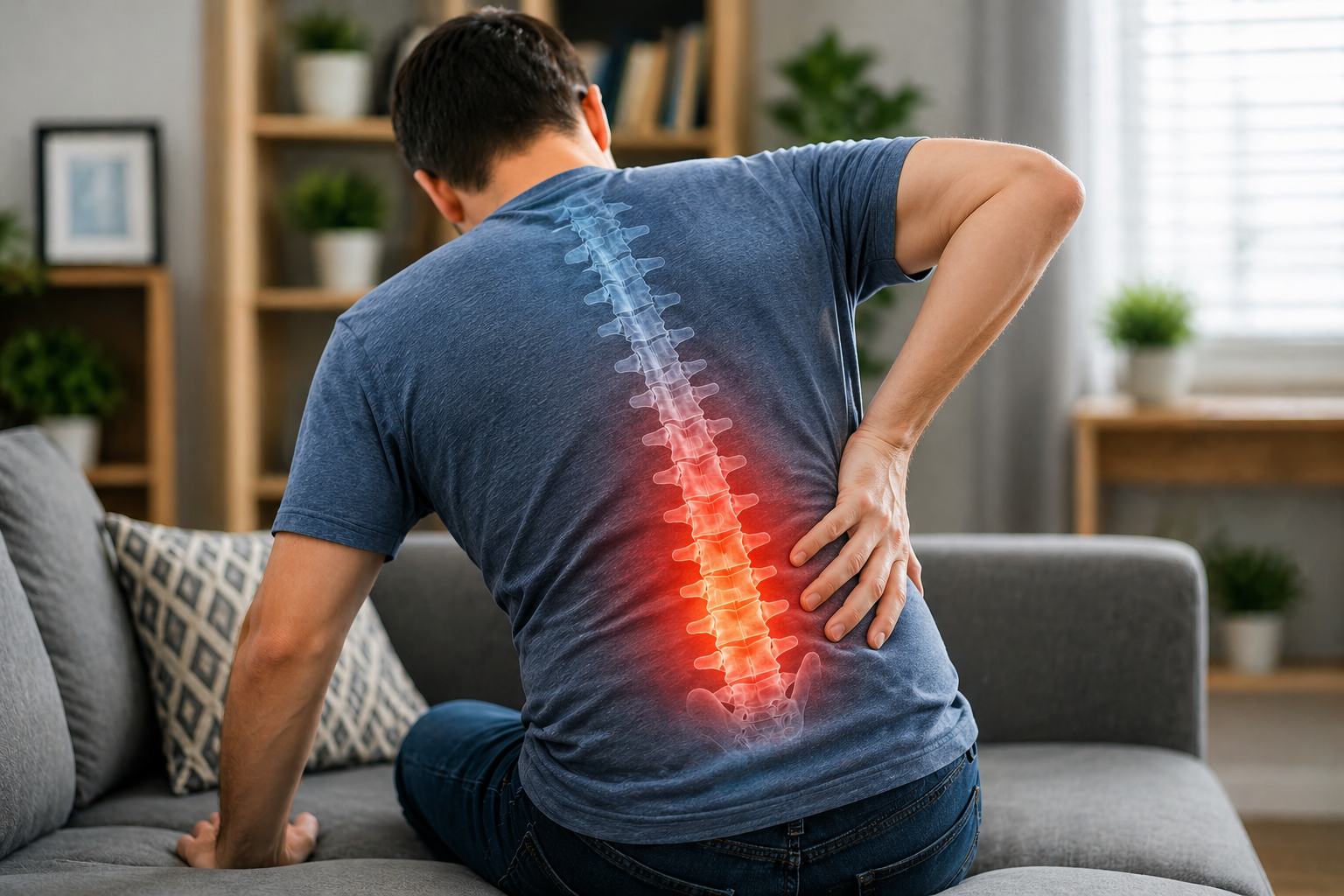
A disc herniation happens when disc material shifts out of its normal position. This may contribute to irritation in the area and may also be associated with nerve related symptoms, depending on where it occurs. Some people experience localized back pain. Others notice symptoms that travel into the buttock, hip, or leg.
Common symptoms people describe include:
- Sharp or catching back pain
- Burning discomfort down the leg
- Tingling or numbness
- Feeling weak or unstable
- Pain that worsens with sitting, bending, or driving
Imaging results do not always match symptoms. Two people can have similar findings and very different pain levels. That is why a good plan should focus on function and irritation patterns, not just a scan.
How long does a disc herniation take to heal?
There is no single timeline that fits everyone. Many disc herniations may improve within weeks to months, especially when the spine is supported with appropriate conservative care.
Some people notice steady progress week by week. Others improve slowly, then experience a noticeable shift as inflammation calms down and the nervous system becomes less reactive. The recovery timeline often depends on how long symptoms have been present and whether daily activities keep re irritating the area.
Key factors that influence the timeline:
- How long symptoms have been present
- Severity and sensitivity of the area
- Daily posture and sitting time
- Work demands, lifting, and bending frequency
- Sleep quality and stress levels
- Consistency of conservative care and lifestyle changes
The important idea is this: time can help, but time alone may not change compression, instability, or irritation patterns.
Why disc herniations may improve over time
Many disc herniations may change as the body reduces inflammation and adapts over time. In some cases, disc material can shift or reduce as pressure and irritation decrease. This is one reason some people are told to wait. The body can be resilient.
Healing is often harder when the spine keeps getting compressed, unstable, or irritated. If the same movements and postures keep aggravating the area, symptoms may stay active longer than necessary.
Waiting and hoping versus being proactive
Waiting often means doing the same things while hoping the pain fades. Being proactive means changing the conditions that keep the spine irritated.
A conservative plan should focus on supporting healthier spinal function, reducing repeated triggers, and helping you move with more control and confidence.
If you have ever felt like you are improving and then suddenly flare up again, you may be stuck in a cycle where the area never fully calms down.
Signs you might be stuck in a re irritation cycle
Many people notice patterns like these:
- Pain improves slightly, then returns
- Symptoms flare after sitting or driving
- You feel better during rest, then flare with normal activity
- Stretching feels good briefly, then increases symptoms
- Good days are followed by unpredictable bad days
This often leads to fear of movement and constant guarding, which can reduce strength and confidence.
A plan should help you identify triggers and build safer movement, not just chase temporary relief.
What affects recovery time the most?
Compression and daily posture
Prolonged sitting, slouched posture, and frequent bending can increase pressure on the spine. If your job or routine keeps you in those patterns, symptoms can linger.
Stability and movement control
When the spine lacks stability, muscles often guard and movement patterns change. Over time, the body can keep re triggering irritation during normal tasks like lifting laundry, getting out of the car, or carrying groceries.
Consistency of conservative support
Doing random exercises or occasional care can help temporarily. A structured plan that addresses your specific pattern is often what helps you make sustained progress.
Sleep and stress
Pain affects the nervous system. Poor sleep and high stress can make the body more sensitive, which can amplify discomfort. Supporting recovery often includes improving rest and reducing the overall stress load on your system.
What conservative care should focus on
A conservative approach should focus on supporting function and reducing the factors that keep the spine irritated.
Depending on the person, that may include:
- Reducing pressure and irritation patterns
- Supporting healthier spinal movement
- Improving stability and control
- Guiding activity choices so you do not keep re triggering symptoms
- Building confidence to move again without fear
If you are looking for non surgical spine care in Pittsburgh, this is the type of plan many people want but have not been offered yet.
Common myths about disc herniation recovery
Myth 1: Time is the only solution
Time can help, but if the spine stays compressed or repeatedly irritated, time may not be enough.
Myth 2: Surgery is inevitable
Many people improve with conservative care. Surgery is not the only option.
Myth 3: You should avoid all movement
Avoiding movement entirely can lead to stiffness, weakness, and more fear. The goal is the right movement, not no movement.
Myth 4: Pain always equals damage
Pain can be influenced by inflammation, sensitivity, stress, and movement patterns. Pain matters, but it is not always a direct measure of harm.
When should you get help instead of waiting?
Consider getting evaluated sooner if:
- Pain lasts longer than two to three weeks with little improvement
- Symptoms travel into the leg, hip, or buttock
- Sitting and driving consistently trigger symptoms
- You feel tingling, numbness, or weakness
- Flare ups keep returning and interrupting your life
- You are avoiding normal activities because of fear or pain
If you are in Pittsburgh and want a non surgical plan that focuses on why symptoms keep returning, a consultation can help clarify your next step.
Simple steps that may help today
These are general educational ideas, not personal medical advice. A plan should be personalized.
- Reduce repeated bending and twisting
- Limit long sitting and take standing breaks
- Try gentle walking if it feels tolerable
- Avoid forcing stretches that reproduce symptoms
- Notice which positions trigger symptoms and reduce exposure
- Focus on calm breathing and controlled movement
A better question than how long
How long is it going to take is a fair question, but it often misses the real issue. A more useful question is: What is keeping this irritated?
When you identify what keeps compressing, destabilizing, or aggravating the spine, you can change that pattern. That is when progress often becomes more predictable.
Frequently asked questions
How long does a disc herniation take to improve?
Many disc herniations may improve over weeks to months with appropriate conservative care. The timeline depends on irritation level, daily triggers, and whether the spine is staying compressed or unstable.
Can a disc herniation improve without surgery?
Many people seek conservative care options and may improve without surgery. A plan often focuses on reducing irritation and supporting healthier movement and spinal function.
What makes a disc herniation take longer to improve?
Common factors include prolonged sitting, frequent bending, poor sleep, high stress, inconsistent conservative support, and repeated flare ups that keep the area irritated.
Should I rest or keep moving?
Complete rest is not always helpful long term. The goal is the right movement that does not repeatedly provoke symptoms. Walking and gentle activity may be appropriate for some people, but guidance matters.
When should I see a professional for disc herniation symptoms?
Consider evaluation if symptoms persist beyond two to three weeks, travel into the leg, or include tingling, numbness, weakness, or recurring flare ups that disrupt daily life.
Schedule a free consultation at American Back Centers
If you are tired of waiting and hoping your disc issue will calm down, the next step is a clear, conservative plan focused on reducing what keeps your spine irritated.
Book your free consultation in under 5 minutes.
Schedule here: https://americanbackcenters.com/contact/