December 19, 2025
Why Back Pain Is Rarely Just a Spine Problem
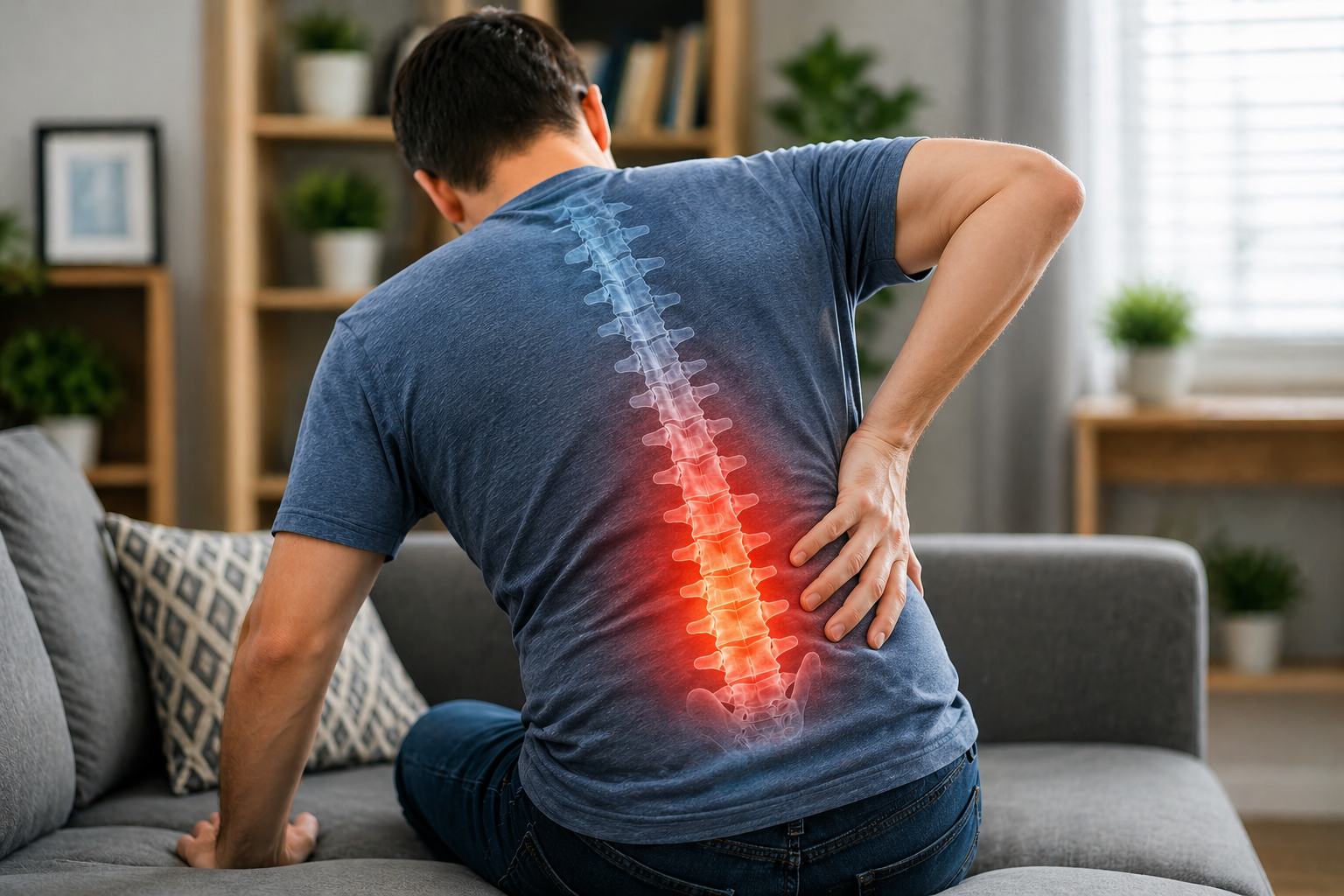
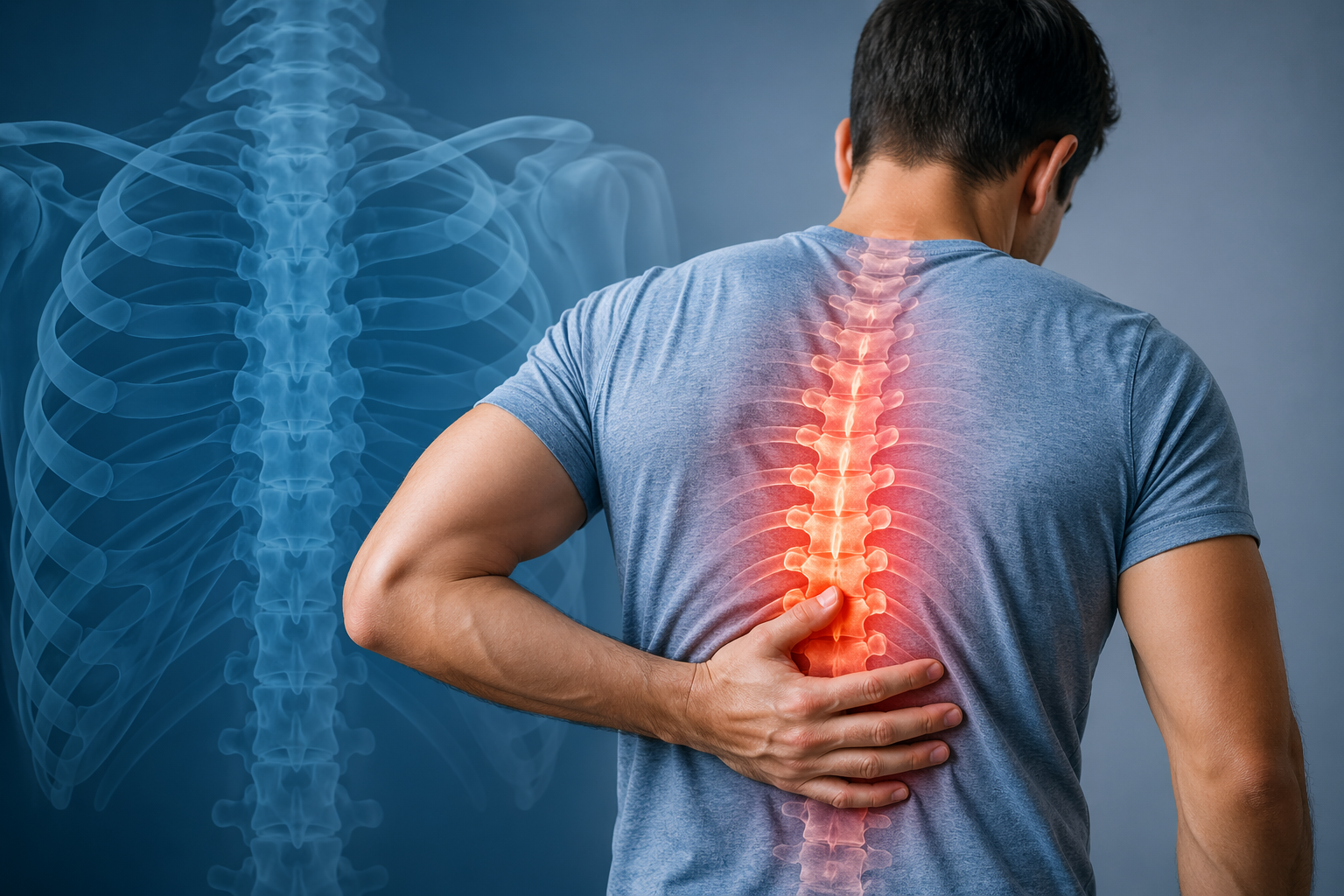
Chronic back pain affects millions of people every year and is one of the most common reasons for missed work, reduced quality of life, and ongoing frustration. Most people are told their pain comes from a disc problem, arthritis, or age-related degeneration. Imaging scans often become the focus, and treatment plans revolve around managing what shows up on an X-ray or MRI.
What many people do not realize is that back pain is often influenced by much more than spinal structure alone. How you move, eat, sleep, manage stress, and support your overall health can directly impact how your spine feels and functions.
At American Back Centers in Pittsburgh, we see every day that patients who address lifestyle and functional factors alongside spinal care often experience better and longer-lasting results. This whole-body approach may be the missing piece for people who feel stuck in a cycle of recurring pain.
The Limitations of a Spine-Only Treatment Model
Traditional back pain treatment often focuses on identifying a single structural cause and trying to correct it. While structural issues matter, this approach has limitations.
Research shows that many people with disc bulges, degeneration, or arthritis experience no pain at all. At the same time, others with significant pain may have only mild findings on imaging. This disconnect highlights an important truth.
Pain is not always proportional to structural damage. When care focuses only on the spine without addressing the rest of the body, important contributors to pain can be missed. This is why some people experience short-term relief but struggle with pain that keeps returning.
What Current Research Tells Us About Chronic Back Pain
Emerging research supports a more comprehensive approach to managing chronic low back pain. Studies show improved outcomes when treatment includes lifestyle factors such as physical activity, nutrition, sleep quality, stress management, and weight support.
Patients who receive care that combines physical treatment with education and behavioral support often report lower pain levels, improved mobility, and better long-term function. This research aligns with what we observe clinically at American Back Centers. Back pain is rarely caused by one factor alone. It is often the result of multiple systems working out of balance.
Lifestyle Factors That Commonly Contribute to Back Pain
Sedentary Behavior and Lack of Movement
Long periods of sitting reduce blood flow, weaken stabilizing muscles, and place increased stress on the spine. Over time, this can lead to stiffness, discomfort, and increased vulnerability to injury.
Poor Sleep Quality
Sleep is essential for tissue repair and nervous system regulation. Poor sleep can increase pain sensitivity, slow healing, and worsen inflammation. Many people with chronic back pain experience disrupted sleep, which can intensify symptoms.
Inflammatory Diet Patterns
Highly processed foods, excess sugar, and poor nutrient intake can contribute to systemic inflammation. Inflammation increases pain sensitivity and may interfere with the body’s natural healing processes.
Weight and Metabolic Stress
Excess weight increases mechanical load on the spine and joints. Metabolic stress can also affect circulation, tissue health, and inflammation levels, making pain more persistent.
Chronic Stress and Tension
Long-term stress affects hormone balance, muscle tension, and nervous system regulation. Stress can keep pain signals active even when the spine itself is supported.
Poor Movement Patterns
Improper posture, weak core muscles, and faulty movement mechanics can place repeated strain on the back. Pain can develop even in the absence of significant structural damage. When these factors are not addressed, pain often continues despite repeated treatments.
A Whole-Body Approach at American Back Centers
At American Back Centers, we take a comprehensive approach that looks beyond the spine alone. Our goal is to support the body as a whole so it can heal more effectively and maintain results over time.
Structural Support with Non-Surgical Spinal Decompression
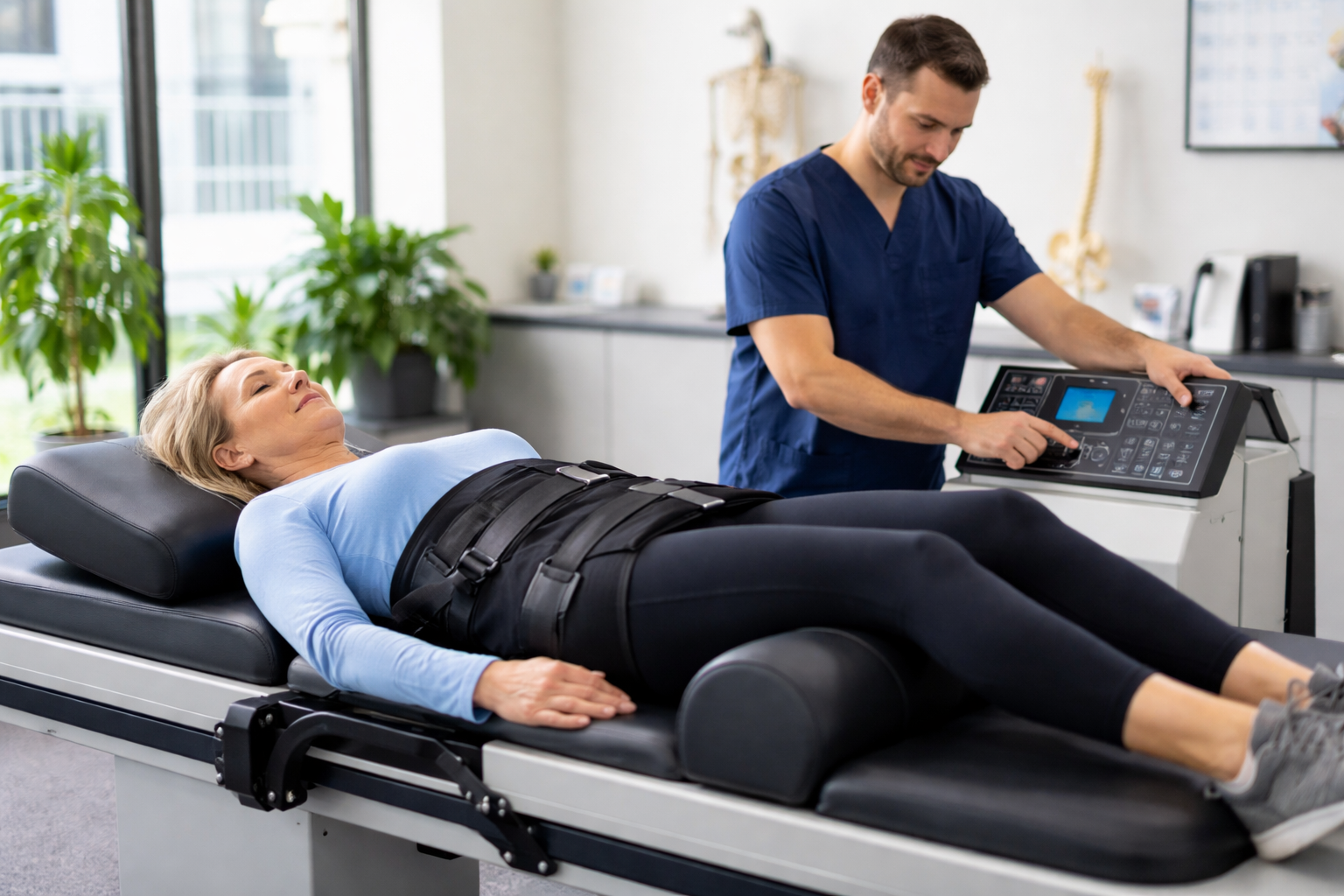
We use non-surgical spinal decompression therapy to reduce pressure on spinal discs and nerves. This gentle, computerized process supports circulation and nutrient exchange within the disc space without surgery or medication.
Functional and Metabolic Support
We evaluate factors such as inflammation, weight, nutrition, and metabolic stress. Supporting these areas can improve the body’s ability to heal and respond to care.
Movement and Lifestyle Guidance
We assess how patients move, sit, stand, and sleep. Addressing movement patterns, posture, and daily habits helps reduce strain on the spine and supports long-term stability.
This integrated approach allows us to address both symptoms and contributing factors rather than chasing pain alone.
Why Medication and Surgery Are Not Always the Best First Step
Pain medications may provide temporary relief, but they often do not address the underlying cause of pain. Long-term reliance on medication can also come with unwanted side effects.
Surgery can be appropriate in certain situations, but it carries risks and recovery time. Many patients are surprised to learn that non-surgical options can often help them avoid surgery altogether.
At American Back Centers, we focus on conservative, natural care first whenever possible. Our goal is to help patients improve function, reduce pain, and regain confidence without invasive procedures.
Who May Benefit from a Whole-Body Back Pain Approach
This approach may be especially helpful for people who:
- Experience chronic or recurring back pain
- Have tried multiple treatments without lasting relief
- Want to avoid surgery or long-term medication use
- Suspect lifestyle or stress may be contributing to their pain
- Are looking for natural, non-surgical options
If pain keeps returning despite treatment, it may be time to look beyond the spine alone.
The Importance of Treating the Person, Not Just the Pain
Back pain is personal. Each person’s experience is shaped by their habits, health history, environment, and daily demands. A one-size-fits-all solution rarely works for complex, chronic conditions.
By treating the person as a whole, care becomes more precise, supportive, and sustainable. Patients often report not only reduced pain, but improved energy, mobility, and overall well-being.
Take the Next Step Toward Lasting Relief
If you have been struggling with back pain that keeps coming back, your body may be asking for a different approach. Addressing lifestyle, movement, and metabolic factors alongside spinal care may be the key to lasting improvement.
At American Back Centers, we take the time to understand the full picture and create a personalized plan designed to support natural healing.
Back pain is rarely just about what is happening in your spine. It is often about how your life is affecting your spine. When care addresses the whole body, results tend to last longer and feel more complete. You deserve answers, support, and a plan that looks beyond symptoms alone.
Book your free consultation in under five minutes and take the first step toward a healthier, more comfortable life.